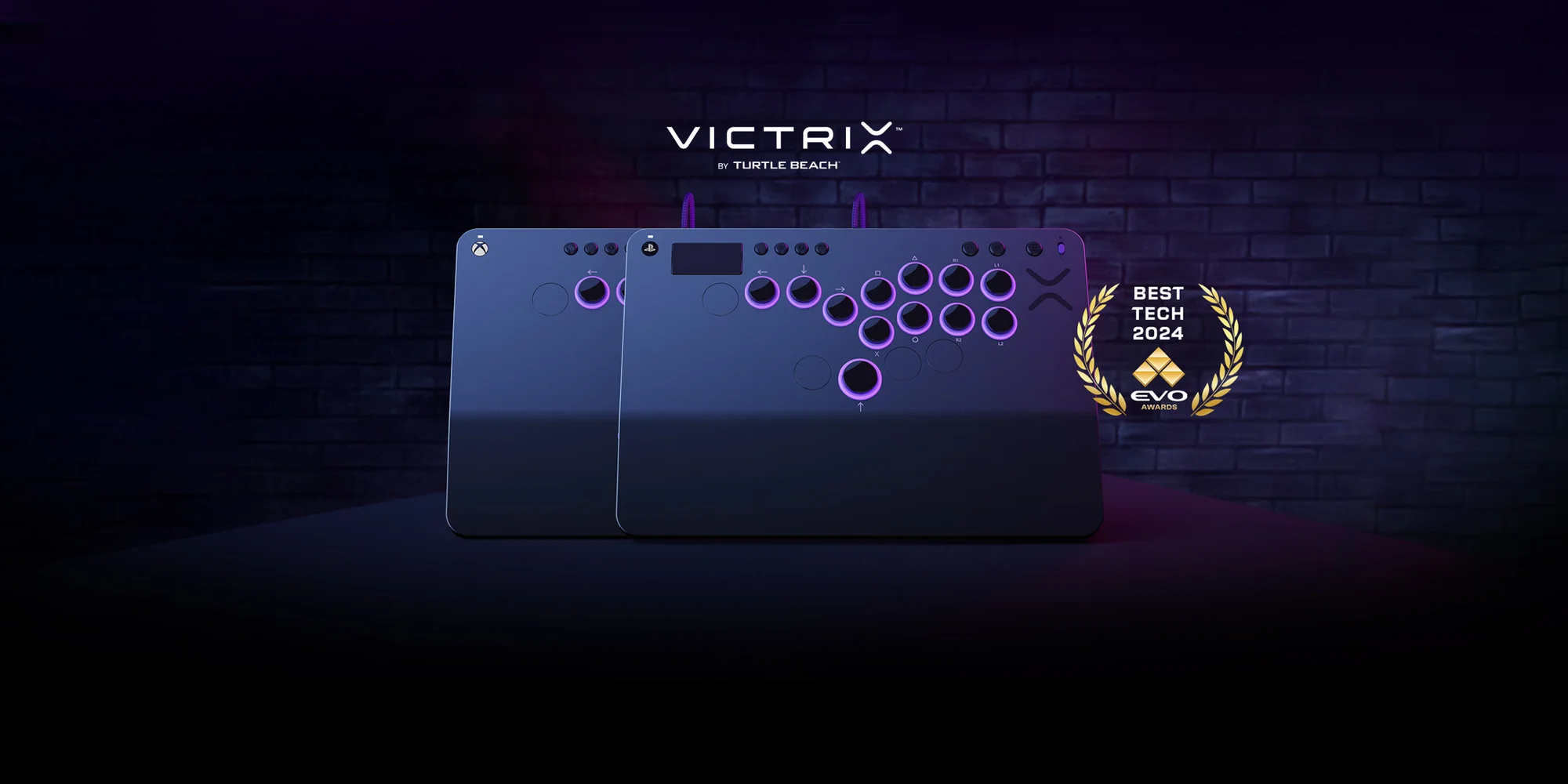

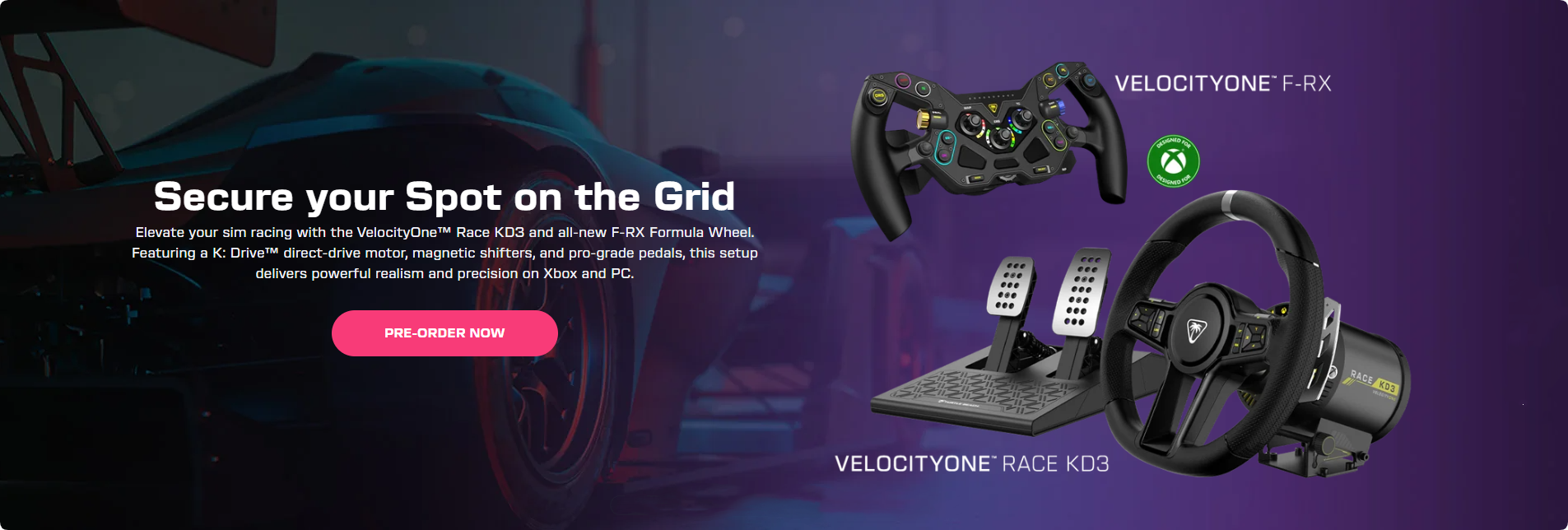
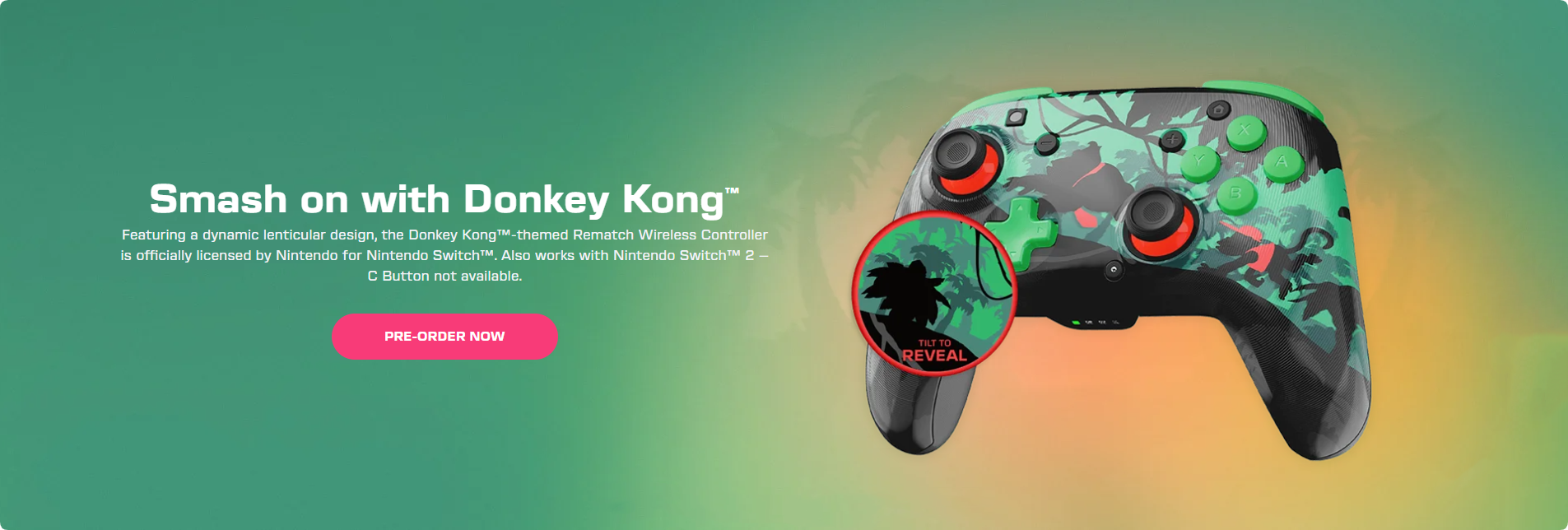







The humble game controller is perhaps the most critical, yet often overlooked, component of modern interactive entertainment. It is the conduit, the physical bridge connecting a player’s intent to the intricate, rapidly-evolving digital worlds on a screen. Far more than just a cluster of buttons, it is an elegantly engineered interface, the product of decades of ergonomic refinement and technological innovation. Its story is one of rapid transformation, from rudimentary input devices to sophisticated, sensory feedback mechanisms that are vital to the immersive experience.
In the early days of the medium, the means of interaction were simplistic. Paddles, single buttons, and rudimentary joysticks served as the primary tools for navigating pixelated adventures. These early instruments, though effective for the games of the era, offered limited scope for complex maneuvers. The evolution began in earnest with the introduction of the directional pad, or D-pad, a pivotal innovation that provided precise, tactile four-way movement. This simple addition revolutionized platforming and fighting games, offering players a level of control previously unattainable. The subsequent introduction of multiple action buttons—initially just two or three—opened the door to deeper, more varied gameplay mechanics.
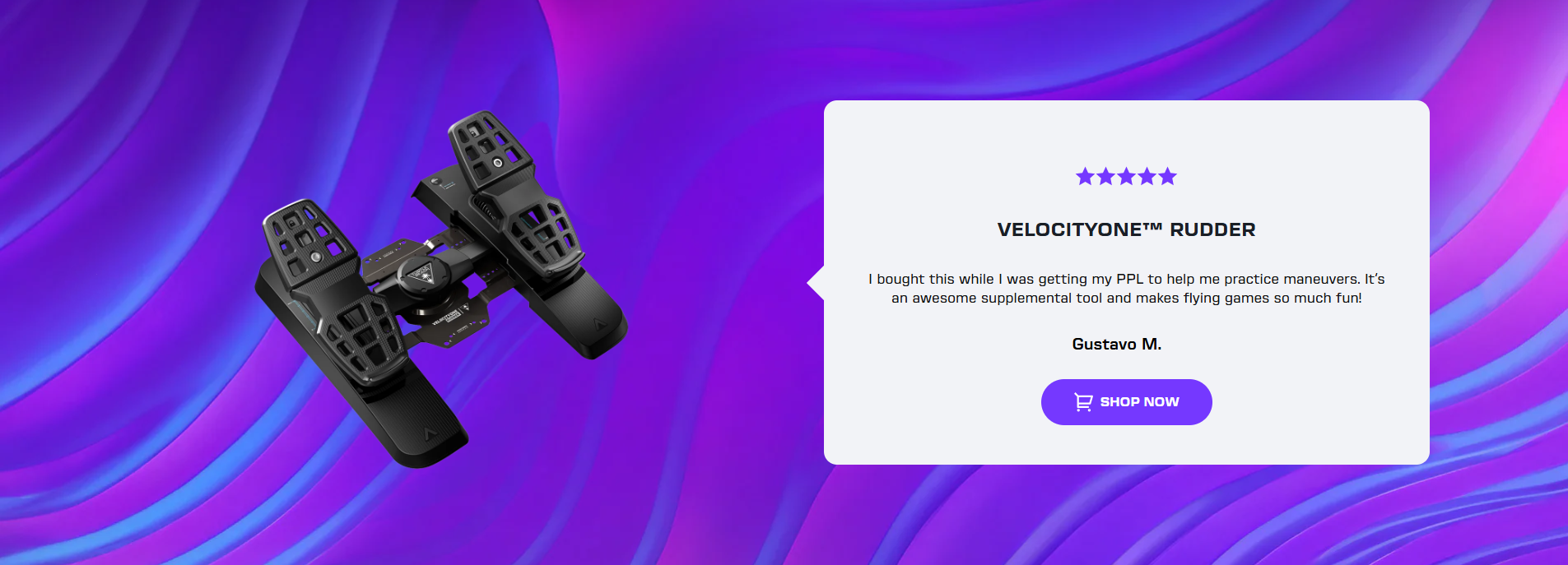
The late 1980s and early 1990s were a period of intense experimentation. Designers began to recognize that complex virtual environments demanded complex physical interaction. The move to three-dimensional worlds was a significant catalyst for change. The shift from 2D to 3D necessitated controllers that could handle simultaneous movement along multiple axes, leading to the adoption of analog sticks. This was a monumental leap forward. Analog control allowed for subtle, nuanced movement, translating the gentle pressure of a thumb into fine control over a character’s speed or a camera’s trajectory, which was essential for navigating open worlds and engaging in fast-paced flight simulations.
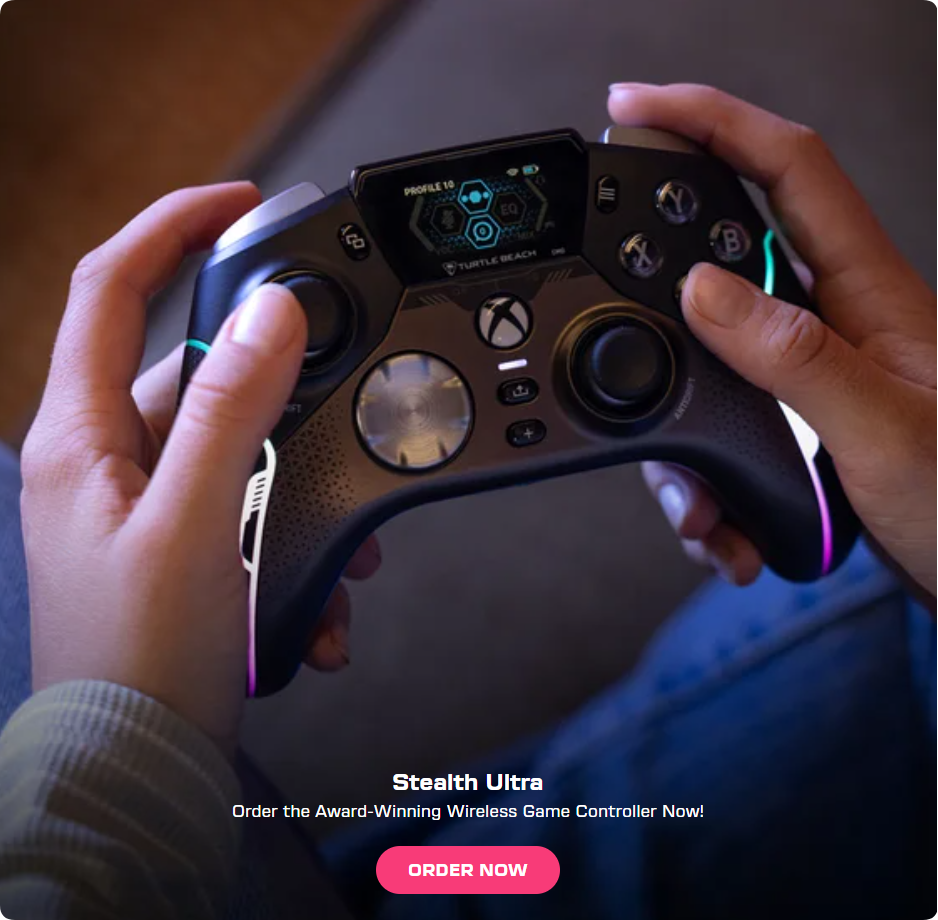
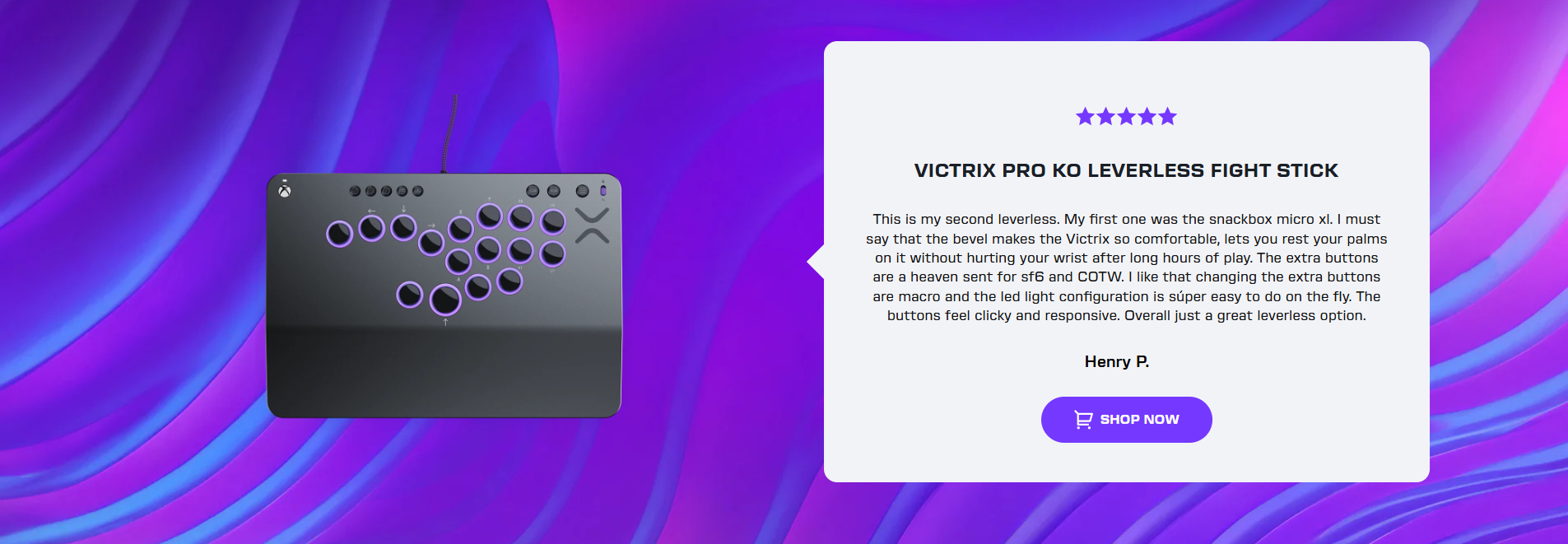
Over time, a near-universal layout emerged, establishing the familiar “twin stick” design that dominates modern console gaming. This design, featuring two analog sticks, a D-pad, four face buttons, and shoulder buttons, has proven to be an ergonomic masterpiece. It balances complexity with accessibility, accommodating a vast range of game genres, from intricate strategy experiences to reflex-intensive action titles.
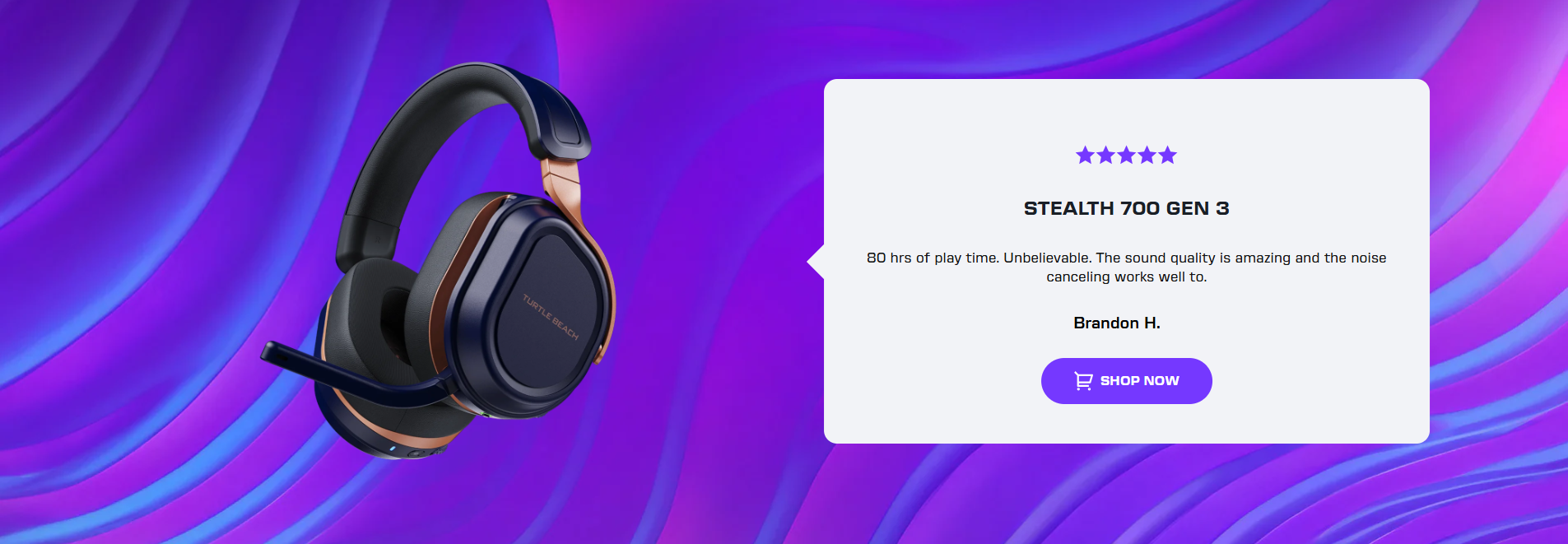
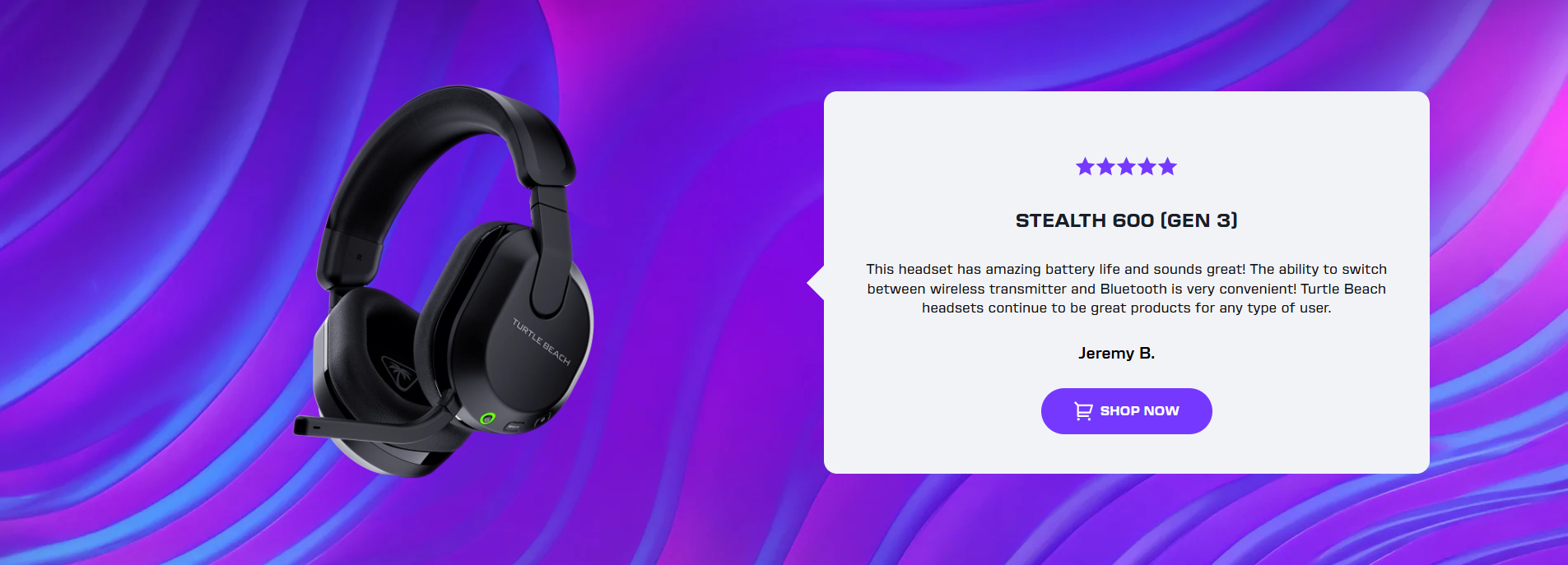
A key element in this standardization is the focus on ergonomics. A modern game controller is designed not just for function, but for comfort over prolonged periods of use. The curves, the weight distribution, and the texture of the grips are all meticulously planned to fit naturally within the human hand, reducing fatigue and making the act of playing seamless. A well-designed controller disappears in the player’s hands, allowing their focus to remain entirely on the on-screen action. This level of physical comfort is crucial for the deep engagement that the medium fosters.
Recent generations of controllers have placed a heavy emphasis on sensory feedback, transforming the input device into an output mechanism as well. This is primarily achieved through advanced rumble technology. Initial vibration functions were simple, providing a generalized buzz for explosions or collisions. Today’s systems, however, offer haptic feedback, a far more granular and subtle experience.
Haptic motors can reproduce a remarkable range of sensations: the gentle tap of rain, the crunch of gravel underfoot, the distinct recoil of a specific type of projectile weapon, or the tension of pulling a bowstring. This sophisticated tactile input enhances immersion exponentially. It engages the sense of touch in a way that static buttons cannot, adding a new layer of realism and emotional resonance to the interactive experience. Furthermore, adaptive triggers can dynamically change resistance, simulating the physical effort required for in-game actions, deepening the connection between the physical world of the player and the virtual world of the game.
While the console controller remains the benchmark, the philosophy of intuitive, tactile control extends to other interactive platforms. Even touchscreens on portable devices emulate the feel and function of a physical controller, showcasing the universality of the core design principles. The game controller, regardless of its specific form, embodies the idea of direct, unmediated interaction. It is the language through which we communicate with digital worlds, allowing us to embody characters, perform feats of skill, and tell complex stories through action.
In conclusion, the game controller is a testament to the power of thoughtful design. It is an evolving piece of technology that simultaneously honors its simple past while embracing a future of hyper-realistic sensory feedback. It is the unsung hero of countless hours of entertainment, a sculpted tool that makes the impossible feel immediate and the fantastical feel real. The ongoing pursuit of the perfect interface continues to drive the medium forward, promising even more profound and personal ways to engage with the digital frontier.